
Pakistan’s federal cabinet has approved the country’s first-ever four-year Hajj Policy and Plan (2027–2030), aimed at improving long-term planning, transparency, and services for pilgrims. The decision was made during a cabinet meeting chaired by Shehbaz Sharif.
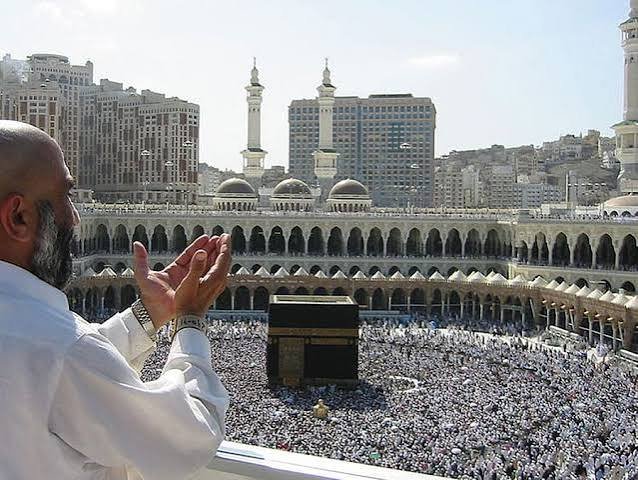
- Separate quotas for the government and private Hajj schemes.
- The option for intending pilgrims to register once for any Hajj season up to 2030, allowing better planning and priority management.
- Introduction of long and short Hajj packages.
- Digitisation of the Hajj management system, including payments, complaint handling, and monitoring.
- Mandatory pilgrim training, Takaful (Islamic insurance) coverage, and enhanced emergency response arrangements.
- Third-party validation of government and private Hajj operations, along with transparent, merit-based appointments of Hajj assistants.
- Approval of a Shariah-compliant Hajj savings scheme to help citizens save gradually for future pilgrimages.
According to the government, the policy is intended to make Hajj operations more efficient, transparent, and pilgrim-focused through long-term planning and digital reforms.
- Shehbaz Sharif directed authorities to ensure complete transparency in Hajj arrangements following the approval of Pakistan’s first four-year Hajj Policy (2027–2030).
- The new policy allocates separate quotas for the government and private Hajj schemes.
- Under the policy, intending pilgrims will be able to register once and remain eligible for any Hajj season up to 2030.
- Prime Minister Shehbaz Sharif reaffirmed the government’s resolve to eliminate terrorism and maintain peace across the country.
- He also reiterated Pakistan’s commitment to eradicating Polio and achieving a polio-free future.
- Additionally, the prime minister directed Small and Medium Enterprises Development Authority (SMEDA) to facilitate access to credit for small and medium-sized enterprises (SMEs) to strengthen businesses, increase productivity, and boost the country’s exports.
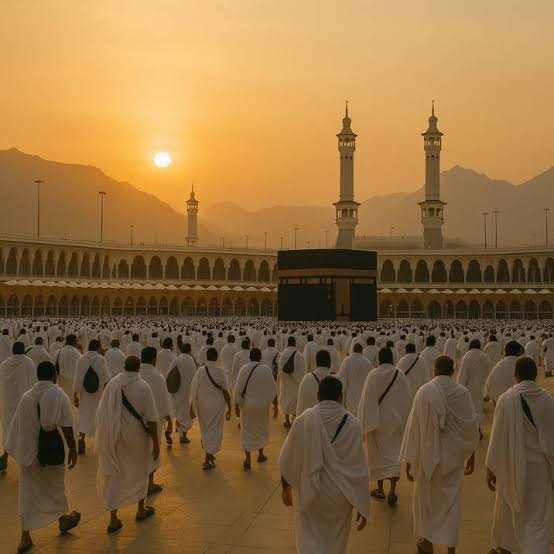
Shehbaz Sharif, while chairing a meeting of the federal cabinet, approved Pakistan’s first four-year Hajj Policy (2027–2030), aimed at improving long-term planning, operational efficiency, and services for intending pilgrims.
The cabinet also praised Sardar Muhammad Yousaf and his team for what it described as the successful management of this year’s Hajj arrangements, according to a statement issued by the Prime Minister’s Office.
Officials told the cabinet that, unlike previous annual Hajj policies, the new framework provides a four-year roadmap to support better planning and implementation. Standard operating procedures and other regulations will be developed under the policy, while amendments will be introduced whenever required to ensure compliance with Saudi Arabia’s Hajj laws and regulations.
Under the approved four-year Hajj Policy (2027–2030), intending pilgrims will be able to register once and remain eligible for any Hajj season up to 2030, replacing the previous requirement for annual registration. The system will also allow authorities to prepare a priority waiting list for future pilgrims.
The government will introduce a Shariah-compliant Hajj savings scheme to help citizens save gradually for future pilgrimages.
Prime Minister Shehbaz Sharif was informed that the entire Hajj management system—including payments, complaint handling, and monitoring—will be digitised to improve transparency, efficiency, and service delivery.
The policy also allocates separate quotas for government and private Hajj schemes, introduces both long- and short-duration Hajj packages, and makes pilgrim training, Takaful (Islamic insurance) coverage, and emergency response arrangements mandatory for all pilgrims.
Shehbaz Sharif on Tuesday said the government was taking every possible measure to protect Pakistan’s children from Polio and secure their future, reaffirming that polio eradication remains a key national priority.
Speaking during a meeting with a delegation of the Polio Oversight Board at the Prime Minister’s House, the prime minister stressed Pakistan’s commitment to achieving a polio-free future and called for intensified efforts by all stakeholders.
The delegation included Mike McGovern, Chris Elias, Hanan Balkhy, as well as representatives from UNICEF, Gavi, the Vaccine Alliance, and other partners supporting Pakistan’s polio eradication programme.
Prime Minister Shehbaz thanked the international partners for their continued cooperation and directed authorities to focus special attention on polio hotspots in southern Khyber Pakhtunkhwa, calling for an effective strategy to eliminate the disease in the region.
He also expressed gratitude to Rotary International, Gates Foundation, World Health Organization, UNICEF, King Salman Humanitarian Aid and Relief Centre, Centers for Disease Control and Prevention, and other partners for their contributions to Pakistan’s polio eradication campaign.
The prime minister also commended the federal and provincial health teams, including the Minister for National Health Services, the Minister of State for Health, the Prime Minister’s Focal Person on Polio Eradication, the National Polio Coordinator, and all officials involved in the country’s anti-polio efforts.
