
Finance czar says new structure to introduce a different engagement model between administration and taxpayers
Table of Contents
Govt prepares medium-term strategy to boost tax compliance
Pakistan makes progress on Panda Bond issuance, says finance minister
Remittances expected to reach a record $42 billion, says Aurangzeb
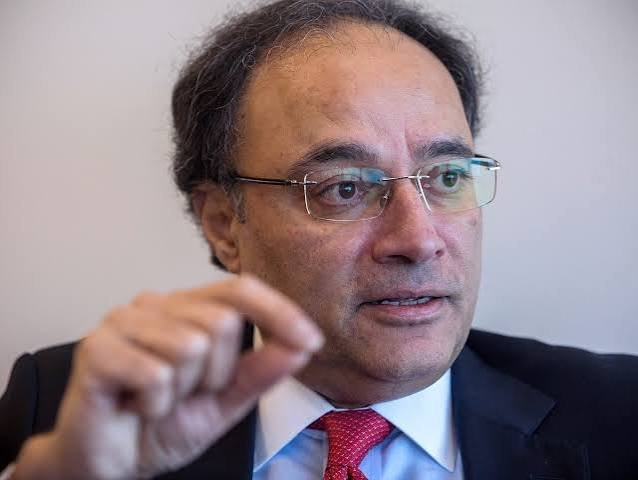
KARACHI: Federal Minister for Finance and Revenue Senator Muhammad Aurangzeb on Tuesday said the government’s newly approved AI-powered tax administration framework would fundamentally transform taxpayer engagement by automating key processes and minimizing human interaction.
Addressing the Pakistan Banking Summit 2026 in Karachi, the finance minister said parliament had endorsed a new tax administration model aimed at modernising the relationship between tax authorities and taxpayers through greater use of technology.
KARACHI: Federal Minister for Finance and Revenue Senator Muhammad Aurangzeb on Tuesday said the government’s newly approved AI-enabled tax administration framework marks a major shift towards a technology-driven tax system that will automate taxpayer interactions and limit manual intervention.
Addressing the Pakistan Banking Summit 2026 in Karachi, the finance minister said the new tax administration model, approved by parliament, is designed to foster a more efficient, transparent and digital relationship between tax authorities and taxpayers.
KARACHI: Federal Minister for Finance and Revenue Senator Muhammad Aurangzeb on Tuesday said the government’s newly approved AI-enabled tax administration framework marks a major shift towards a technology-driven tax system that will automate taxpayer interactions and limit manual intervention.
Addressing the Pakistan Banking Summit 2026 in Karachi, the finance minister said the new tax administration model, approved by parliament, is designed to foster a more efficient, transparent and digital relationship between tax authorities and taxpayers.
Aurangzeb said the new tax administration framework would usher in a new model of engagement between tax authorities and taxpayers by relying on artificial intelligence to automate processes and significantly reduce human intervention. He said taxpayer notices would be generated through the AI-powered system, describing the reform as a major step towards a more efficient and transparent tax regime. He added that the government would soon introduce a medium-term strategy to strengthen tax compliance.
The finance minister said Pakistan’s macroeconomic indicators continued to improve, with the current account remaining strong on the back of record remittance inflows. He said workers’ remittances were expected to reach a record $41-42 billion during the current fiscal year.
Reviewing the previous fiscal year’s performance, Aurangzeb said the economy recorded a primary surplus, the lowest fiscal deficit in history, a debt-to-GDP ratio of less than 70 per cent and economic growth of 3.7 per cent, supported by a robust recovery in large-scale manufacturing.
While overall exports declined, he said the fall was largely driven by lower food exports, whereas value-added sectors—particularly textiles—continued to post year-on-year growth.
Aurangzeb also expressed confidence that Pakistan’s foreign exchange reserves would climb to around $18.4 billion by the close of the fiscal year, exceeding earlier projections.
On external financing, he said Pakistan had made substantial progress towards issuing a Panda Bond, calling it a landmark initiative to tap China’s capital markets. He noted that the country had been pursuing the plan for nearly eight years and said access to the world’s second-largest capital market would diversify Pakistan’s financing sources.
Commenting on the Pakistan Stock Exchange, the minister said the market’s long-term fundamentals were more important than headline index levels. He pointed to rising investor participation, particularly among Gen Z, and said corporate profitability had returned to double-digit growth.
Aurangzeb said this year’s federal budget was the first to be prepared under the Tax Policy Office after its transfer to the Finance Division. He said the government’s priorities included promoting export-led growth, phasing out advance and super taxes, expanding subsidised financing and continuing tariff reforms. He also thanked Prime Minister Shehbaz Sharif and the federal cabinet for supporting the reform agenda.
He said expanding access to finance would be essential to sustaining economic growth, with increased lending to SMEs, exporters, agriculture, manufacturing, construction and the IT sector remaining a key priority.
On privatisation, Aurangzeb said Pakistan International Airlines (PIA) had successfully transitioned to private ownership, while roadshows for the privatisation of three electricity distribution companies had been completed. He added that 28 state-owned enterprises had also been transferred to the Privatisation Commission for further action.
