
“These agreements strengthen ties between energy organizations by fostering institutional partnerships, technical collaboration, and the exchange of expertise.” “By enabling institutional collaboration, technical cooperation, and knowledge exchange, such agreements help energy entities work more effectively together.” “Energy entities benefit from these agreements through closer institutional ties, joint technical initiatives, and shared knowledge and expertise.” “The agreements facilitate stronger institutional partnerships, deeper technical cooperation, and greater knowledge sharing across energy organizations.”
Here’s the fuller picture behind those three bullets, based on recent coverage of the June 2026 Pakistan–Türkiye energy talks:
The three MoUs and what they cover
Signed in Istanbul during high-level consultations between Federal Minister for Energy Sardar Awais Ahmad Khan Leghari and Turkish Energy Minister Alparslan Bayraktar, on the Pakistani side:
- ISMO (Independent System and Market Operator) with EPIAŞ (Energy Exchange Istanbul) — on electricity market development.
- ISMO with TEİAŞ (Turkish Electricity Transmission Corporation) — on transmission planning and power system operations.
- PPMC (Power Planning and Monitoring Company) with TEDAŞ (Turkish Electricity Distribution Corporation) — on distribution sector management.
Together the agreements span post-privatisation governance frameworks, electricity market development, ancillary services regulation, power system operations, transmission planning, distribution sector management, digitalisation, capacity building, institutional strengthening, and technical expertise exchange.
Why Pakistan is looking to Türkiye specifically
This isn’t just symbolic — Pakistan is mid-reform. The country is pursuing sweeping reforms of its power sector under a $7 billion IMF program aimed at reducing circular debt, improving governance, and attracting private investment, and the talks specifically centered on Islamabad’s plans to overhaul and eventually privatize its state-owned electricity distribution companies, with Ankara offering technical assistance. Türkiye has already been through a comparable distribution-sector privatisation, which is why Leghari emphasised the importance of learning from Türkiye’s post-privatisation governance framework and its experience managing a privatised power sector.
What Leghari said
He called the MoUs a significant step toward strengthening Pakistan’s energy institutions through collaboration with Turkish counterparts, and framed the practical payoff as institutional learning: enhanced cooperation would facilitate transfer of practical knowledge, operational experience, and best practices, supporting efforts to improve efficiency, service delivery, governance, and build a more competitive power sector.
What comes next
Beyond the paperwork, the agreements are meant to pave the way for joint technical initiatives, expert exchanges, training programmes, study visits, and collaborative projects going forward.
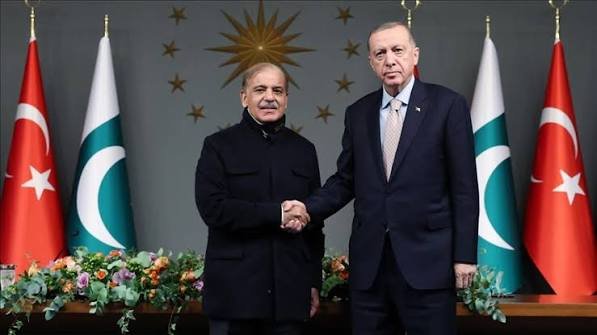
Pakistan and Türkiye concluded three Memoranda of Understanding on Thursday during high-level talks in Istanbul, marking a step forward in institutional partnership, technical collaboration and knowledge exchange within the power sector. The Ministry of Energy’s Power Division announced that the agreements build on the two nations’ continuing energy-sector ties, describing them as another milestone in the longstanding relationship between the two countries.
A couple of alternate phrasings for specific parts, in case useful:
- Instead of “brotherly countries” → “close allies” or “longstanding partners” (the original phrasing is common in Pakistani diplomatic language but may read as informal in other contexts)
- Instead of “milestone” → “further development” or “continuation”
Both sides framed the agreements as evidence of a shared resolve to deepen institutional ties, encourage the flow of knowledge, and broaden technical cooperation across major areas of the power sector.
The three MoUs paired Pakistani and Turkish energy institutions as follows: the Independent System and Market Operator (ISMO) with Energy Exchange Istanbul (EPIAS); ISMO with the Turkish Electricity Transmission Corporation (TEIAS); and the Power Planning and Monitoring Company (PPMC) with the Turkish Electricity Distribution Corporation (TEDAS).
The MoUs put in place structured cooperation mechanisms covering post-privatisation governance, market development, ancillary services regulation, system operations, transmission planning, distribution management, digitalisation, capacity building, institutional strengthening, and technical knowledge transfer.
Federal Minister for Energy Sardar Awais Ahmad Khan Leghari described the signing as a significant milestone in bolstering Pakistan’s energy institutions through engagement with their Turkish counterparts. He noted Pakistan’s intent to benefit from Türkiye’s proven track record in electricity market reform, transmission network expansion, distribution sector upgrades, and the adoption of modern technology in power operations. He further pointed to the value of Turkish insight into structuring post-privatisation governance and operating a power sector once privatised.
According to Leghari, institutional cooperation of this kind allows for the exchange of practical know-how, field experience, and proven practices — helping Pakistan advance its goals of improved efficiency, service delivery, governance, and long-term sector sustainability.
Turkish officials, in turn, reaffirmed their readiness for continued institutional partnership and voiced enthusiasm for deeper bilateral engagement. The agreements are expected to open avenues for joint technical work, expert exchanges, training sessions, study visits, and collaborative ventures to support Pakistan’s energy development.
The government described the MoUs as a key output of the Pakistan-Türkiye energy dialogue and a clear signal of the strengthening strategic relationship between the two countries in the energy sector, per the official statement.
