
Robot mission proposed to rescue Swift space telescope as it descends toward Earth
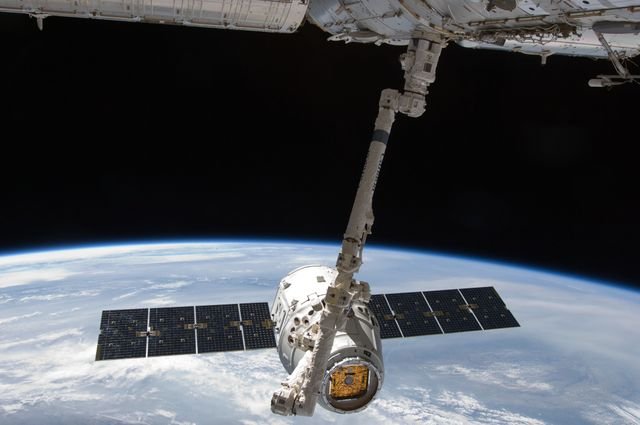
A new proposal aims to send a robotic spacecraft to rescue NASA’s Swift space telescope, which is gradually losing altitude and moving closer to Earth due to atmospheric drag.
The concept involves a robotic servicing vehicle rendezvousing with the aging observatory, attaching to it and boosting it into a higher orbit. Such a mission could extend Swift’s operational life, allowing it to continue observing gamma-ray bursts and other high-energy cosmic events.
If approved, the effort would demonstrate the growing potential of in-orbit satellite servicing, where robotic spacecraft can refuel, repair or reposition aging satellites instead of replacing them. The technology is expected to play an increasingly important role in prolonging the lifespan of valuable space assets while reducing orbital debris.
Swift, launched in 2004, has exceeded its original mission by many years and remains an important tool for astronomers studying some of the universe’s most energetic phenomena.
NASA on Friday began a groundbreaking robotic mission to save one of its aging space telescopes from burning up in Earth’s atmosphere, in an operation expected to take several months.
The $30 million mission will deploy a robotic spacecraft to intercept the Swift space telescope, which is steadily losing altitude and moving closer to Earth. Once docked, the spacecraft will attempt to lift the observatory into a higher orbit, extending its mission and delaying its eventual re-entry.
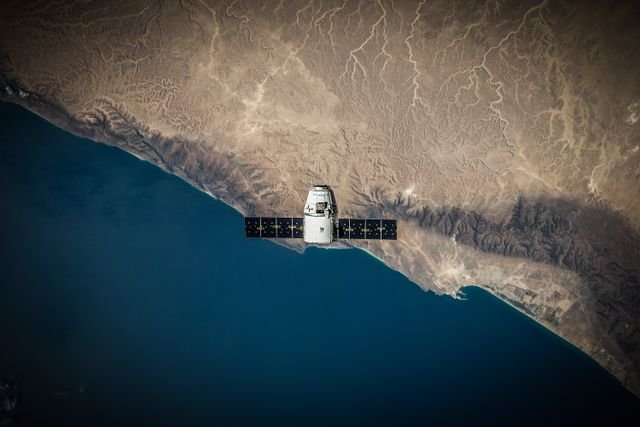
If the mission succeeds, it could mark a major breakthrough in satellite servicing, demonstrating that aging spacecraft can be revived and returned to service instead of being left to re-enter Earth’s atmosphere.
The launch, originally planned for Tuesday, was pushed back twice due to bad weather and technical issues before finally taking place at 0836 GMT on Friday from a launch site on a Pacific Ocean atoll.
Built by US startup Katalyst, the robotic servicing vehicle was carried into space aboard the Pegasus rocket, which is deployed from a carrier aircraft rather than launched from the ground.
After reaching an orbit close to the Swift space telescope, the spacecraft will unfold its solar panels, conduct health checks and prepare for its rendezvous with the observatory.
It will then search for Swift, carefully circle the telescope and dock with it using three robotic arms in a series of precision maneuvers expected to take several weeks.
Following a successful docking, the spacecraft will attempt to raise Swift’s orbit by about 300 kilometres, restoring it to roughly its original altitude. The orbit-raising phase is expected to last at least a month.
The Swift telescope, which cost $250 million to build, has been studying gamma-ray bursts — the most powerful explosions in the universe — since its launch in 2004.
“This is a lot of firsts stacked on top of each other,” said Shawn Domagal-Goldman, director of NASA’s Astrophysics Division. “I’m just deeply thankful that we’re even giving this a go.”
