

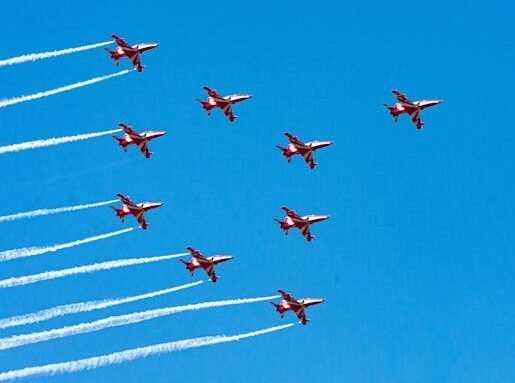
Pakistan Air Force’s JF-17 Thunder jets fly past during the sea phase of Pakistan Navy’s Multinational Exercise AMAN-23, in the North Arabian Sea near Karachi, Pakistan, February 13, 2023. REUTERS/Akhtar Soomro/File Photo Purchase Licensing Rights
The reported deployment consists of about 8,000 troops, supported by JF-17 fighter aircraft, drones, and an HQ-9 air defence system. Sources say Saudi Arabia is financing the arrangement, while Pakistani personnel are handling all operational control of the equipment. Separately, Reuters previously reported that Pakistan had sent fighter jets following Iranian strikes on Saudi energy facilities.
Pakistan has deployed about 8,000 troops, along with a squadron of fighter jets and an air defence system, to Saudi Arabia under a mutual defence agreement, according to a Reuters report. Security and government sources said the deployment represents a substantial, combat-ready force designed to support Saudi Arabia’s defence if it faces further attacks. The development highlights growing military cooperation between Islamabad and Riyadh, even as Pakistan maintains its role as a key mediator in regional tensions involving Iran.
Pakistan’s military, its foreign office, and Saudi Arabia’s government media office have not responded to requests for comment on the reported deployment.
While the full terms of the defence agreement signed last year have not been made public, both countries have said it commits them to mutual defence in the event of an attack. Pakistan’s Defence Minister Khawaja Asif has previously suggested the deal could extend Pakistan’s nuclear protection umbrella to Saudi Arabia.
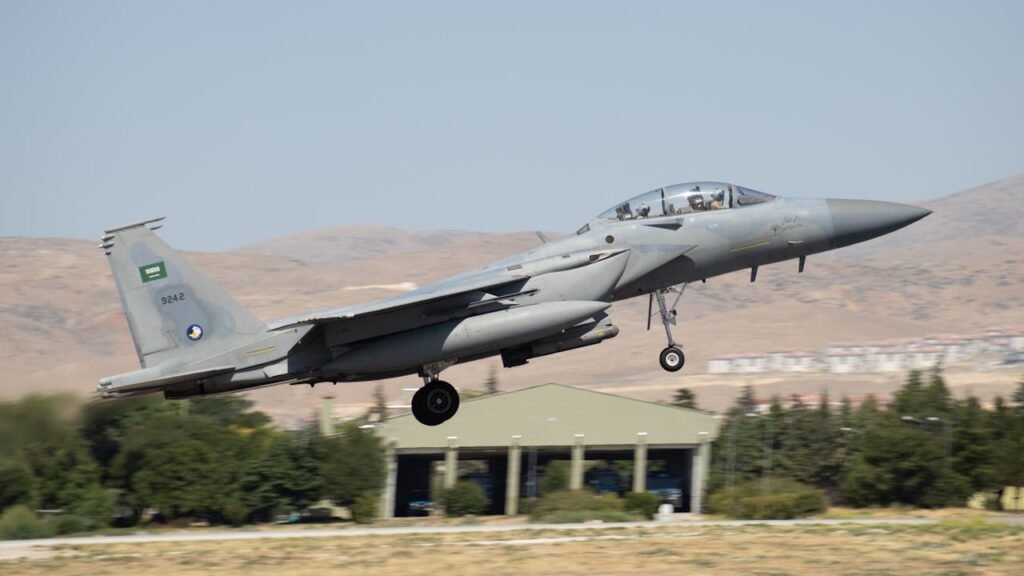
According to sources, Pakistan sent a full squadron of about 16 aircraft, mostly JF-17 fighter jets jointly developed with China, in early April. Security officials also said that two squadrons of drones were deployed as part of the arrangement.
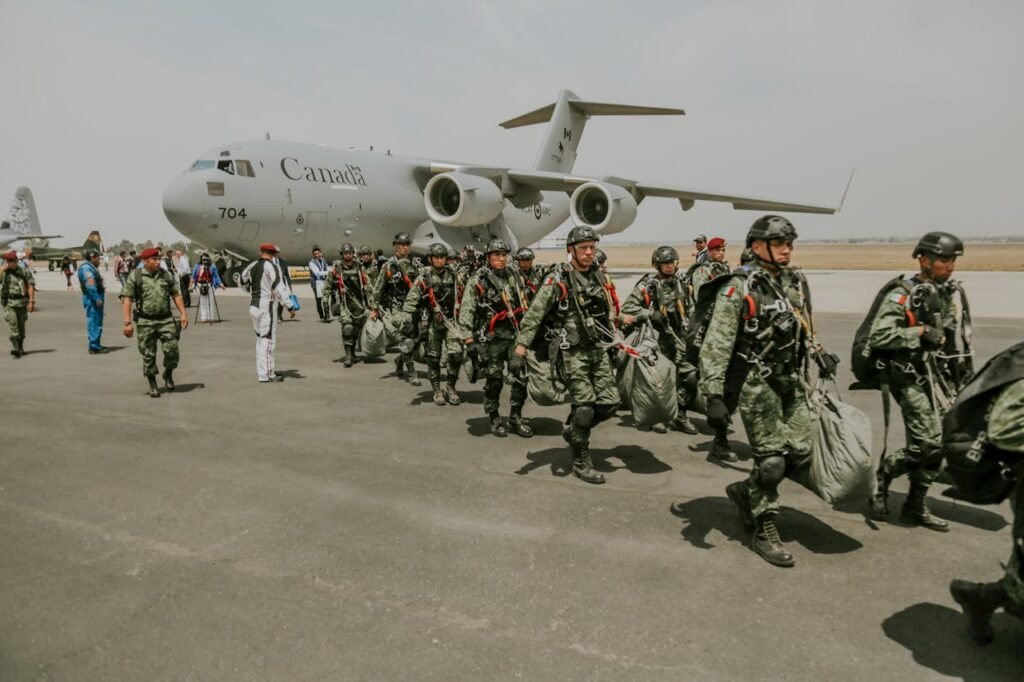
All five sources said the deployment includes about 8,000 troops, with provisions to send more if needed, as well as a Chinese HQ-9 air defence system. They said the system and related equipment are operated by Pakistani personnel, while Saudi Arabia is responsible for financing the deployment.
The military and air force personnel sent during the Iran conflict are expected to primarily carry out advisory and training duties, according to two security officials who said they had reviewed exchanges between the two countries and documents related to the deployment.
Officials said the latest move adds to the thousands of Pakistani troops already stationed in Saudi Arabia under earlier agreements.
One government source, who has seen the confidential defence pact, said it allows for the possible deployment of up to 80,000 Pakistani troops to support Saudi border security alongside Saudi forces.
Two security officials said the agreement also includes the deployment of Pakistani warships, although Reuters was unable to confirm whether any have arrived in Saudi Arabia.
According to the sources, the overall scale and composition of the deployment—including combat aircraft, air defence systems, and thousands of troops—indicates that Pakistan’s role goes well beyond a symbolic or advisory presence.
Reuters has previously reported that Pakistan deployed jets to Saudi Arabia following Iranian strikes on key energy infrastructure that killed a Saudi national, raising fears that Riyadh could retaliate strongly and potentially widen the conflict.
The move came before Islamabad took on a leading mediating role in the war, helping to secure a ceasefire between Washington and Tehran that has held for about six weeks. Pakistan also hosted the only round of US-Iran peace talks so far, with further negotiations later cancelled by both sides.
Reuters has reported that Saudi Arabia has carried out multiple undisclosed retaliatory strikes against Iran in response to attacks within its territory.
Pakistan and Saudi Arabia have maintained longstanding military cooperation, with Islamabad providing training and advisory support. In return, Riyadh has repeatedly extended financial assistance to Pakistan during periods of economic pressure.
Reporting by Asif Shahzad and Saad Sayeed in Islamabad, Mubasher Bukhari in Lahore, with additional reporting by Ariba Shahid in Karachi and Timour Azhari in Riyadh. Editing by Peter Graff.
