

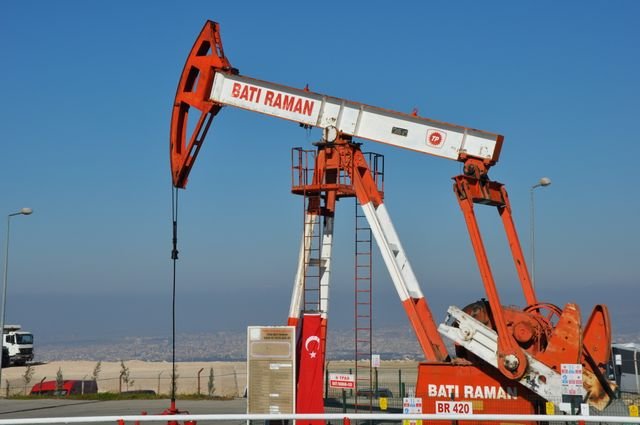
WTI crud\e rose to $84.20 per barrel, gaining $1.71 (2.07%), while Brent crude futures climbed $2.09 (2.37%) to $90.19 per barrel.
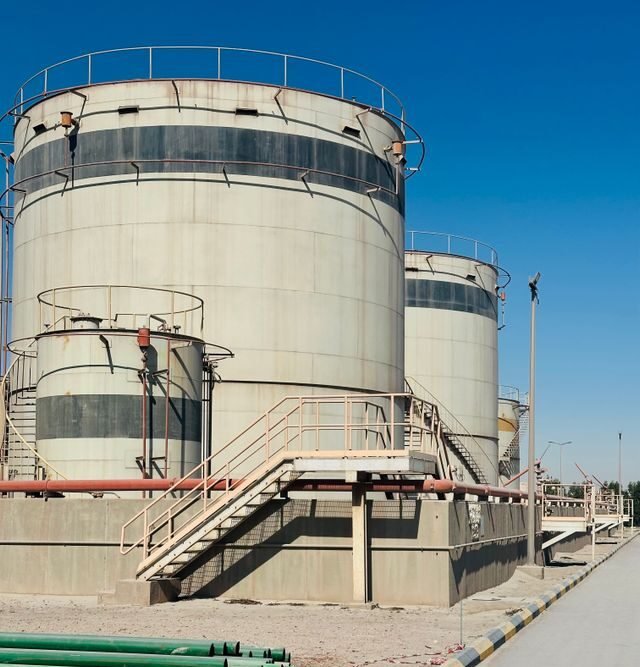
SINGAPORE: Brent crude prices jumped more than 2% on Monday, climbing above $90 a barrel as rising US-Iran tensions heightened fears of supply disruptions through the strategically important Strait of Hormuz.
Brent crude futures advanced $2.09, or 2.37%, to $90.19 per barrel by 0241 GMT, marking their highest level since June 11. The benchmark extended last week’s strong rally after surging 15.9%, its largest weekly gain since April, amid growing concerns that escalating geopolitical tensions could threaten global oil shipments and tighten supplies.
US West Texas Intermediate (WTI) crude climbed $1.71, or 2.07%, to $84.20 a barrel, its highest level since June 12, after posting a 15.5% gain last week — the benchmark’s strongest weekly advance since early March.
The sharp rise in oil prices came as tensions between the United States and Iran continued to escalate. Washington launched a ninth consecutive night of strikes on Iranian targets over the weekend, while US allies Kuwait and Bahrain also reported fresh Iranian attacks.
Analysts at ING said Brent crude’s move above $90 per barrel reflected mounting concerns over the worsening conflict in the Gulf. They warned that the ongoing exchange of strikes between the US and Iran risked triggering a broader regional confrontation if the situation remained unchecked.
Iran’s Islamic Revolutionary Guard Corps (IRGC) claimed on Monday that two oil tankers were damaged by explosions and left stranded after attempting to navigate what it described as an unsafe southern route through the Strait of Hormuz. The IRGC alleged the vessels had been directed to use the route by the US military, although Reuters could not independently verify the claim.
The latest developments have heightened concerns over maritime security in the region. The United States says it is enforcing a naval blockade on Iranian ports, while Iran insists it is taking action against vessels it says violate its navigation rules in the Strait of Hormuz, a strategic chokepoint that carries nearly one-fifth of global oil supplies.
Further raising alarm, the United Kingdom Maritime Trade Operations (UKMTO) agency reported that a vessel caught fire northwest of Oman’s Kumzar early on Monday.
Barclays analyst Amarpreet Singh said the coming days would be crucial in determining how renewed blockades by both sides affect oil exports from the Gulf. He cautioned that the market appears to be underestimating the potential impact on global oil inventories, which are already at their tightest levels in five years.
Shipping data from LSEG showed that only four vessels transited the Strait of Hormuz on Sunday, compared with eight the previous day. Despite the slowdown, at least three oil product tankers and one Very Large Crude Carrier (VLCC) have entered the waterway since Friday to load crude.
