


Oil Prices Surge to Four-Week High Amid Rising US-Iran Tensions
Global crude benchmarks jumped on rising geopolitical risks, building on yesterday’s massive rally:
- Brent Crude (LCOc1): $\uparrow$ $1.50 (1.8%) to $84.80/bbl
- US WTI Crude (CLc1): $\uparrow$ $1.70 (2.2%) to $79.84/bbl
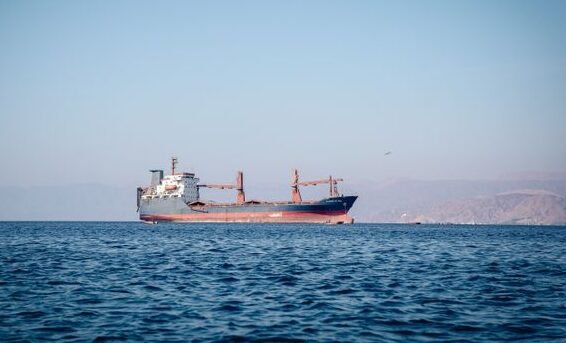
- US Naval Blockade: The US reinstatement of a naval blockade on Iranian ports and oil terminals has heightened fears of physical supply disruptions near the Strait of Hormuz.
- Proposed Strait of Hormuz Toll: President Donald Trump’s proposal of a 20% shipping fee/tariff on cargo passing through the Strait of Hormuz has injected severe financial and logistical uncertainty into global shipping routes.
- Ongoing Momentum: Today’s gains build directly on yesterday’s massive 9.6% surge in Brent futures—its largest single-day percentage gain since May 2020.
Market Outlook: While physical oil flows through the Persian Gulf have not been halted, the heightened military and political friction is keeping a substantial “risk premium” baked into global energy prices.
This expanded news excerpt gives us the exact market context for why those benchmarks are jumping. Here is a breakdown of the critical signals hidden in this alert:
Market Analysis
- The Primary Catalyst: The immediate trigger for the price spike is the U.S. reimposing a naval blockade on Iran, combined with a physical escalation of tit-for-tat attacks in the Strait of Hormuz.
- Supply Chain Fears: The Strait of Hormuz is the world’s most critical chokepoint for crude. The phrase “heightening uncertainty about energy flows” indicates that traders are aggressively pricing in the risk that physical oil shipments could be delayed or halted.
- Asian Market Reaction: The timestamp (0330 GMT out of Singapore) shows that Asian markets reacted swiftly to overnight developments. Prices initially surged nearly 3% to hit a four-week high before settling slightly to the quoted 1.8% and 2.2% gains.
Ultimately, this snippet shows that the market has moved beyond just reacting to political rhetoric—traders are now pricing in the tangible, real-time military friction that is threatening global shipping routes.
The oil market is pricing in a severe and rapid military escalation. By breaking down the details of this latest update, we can see why traders are bracing for potential disruptions.
The Breakdown of the Escalation
- Direct Military Clash: The U.S. carried out its third consecutive night of airstrikes against Iranian targets, while Iran responded directly by firing cruise missiles at two UAE-flagged tankers (Mombasa and Al Bahiyah) in Omani waters. The attack tragically killed an Indian crew member and injured eight others.
- The “Hormuz Guardian” Toll: President Trump announced that the U.S. will act as the “Guardian of the Strait of Hormuz” but will charge a 20% fee on all cargo passing through to reimburse U.S. military costs. For a typical supertanker carrying $172 million worth of crude, this toll would add an unprecedented $34 million surcharge.
- Collapse of the Peace Deal: These events have effectively shattered the fragile June 17 Memorandum of Understanding (MoU) that briefly paused the hostilities.
- Dwindling Tanker Traffic: The conflict is already impacting physical supply chains, with shipping data showing that the number of tankers willing to transit the Strait has dropped to its lowest level in two months.
Two Scenarios for What Happens Next
| Bullish Case (Prices Rise Further) | Bearish Case (Prices Cool Off) |
| Physical Blockage: Tanker traffic grinds to a complete halt due to active military engagement or prohibitive insurance premiums. | Cargo Keeps Moving: Despite the military theater, tankers continue to navigate the Strait, causing the “fear premium” to slowly evaporate. |
| Conflict Spreads: Yemen’s Houthi rebels successfully target Saudi crude infrastructure or Red Sea shipping lanes, choking off secondary supply routes. | Strategic Reserve Releases: Major economies coordinate crude releases to artificially suppress prices and calm panicking markets. |
